
Play is a common word. We can tell when it’s happening—playing—but we have a difficult time describing what it really is. “Fun” seems to be a major default. But we end up in very different spaces when we say, “fun,” some of which categorize play as a “frivolous” activity.
Describing play is similar to describing the love of your life. You spew qualities and traits and offer abstracted features of beauty, devotion, and character. But it doesn’t come close. And the expression you wear while describing the love of your life says more than the words.
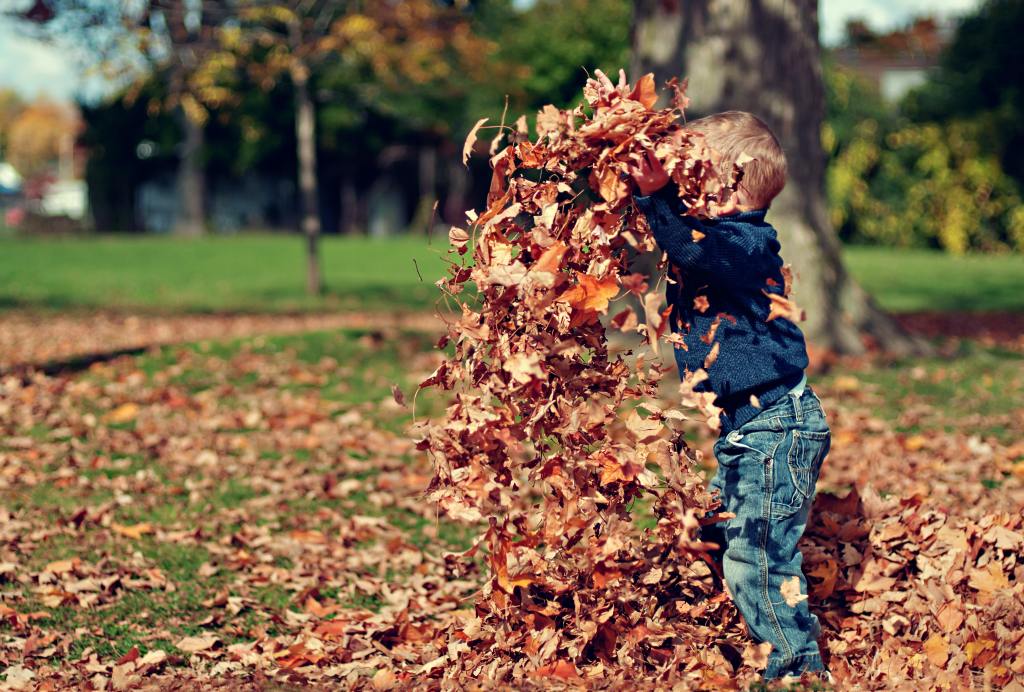
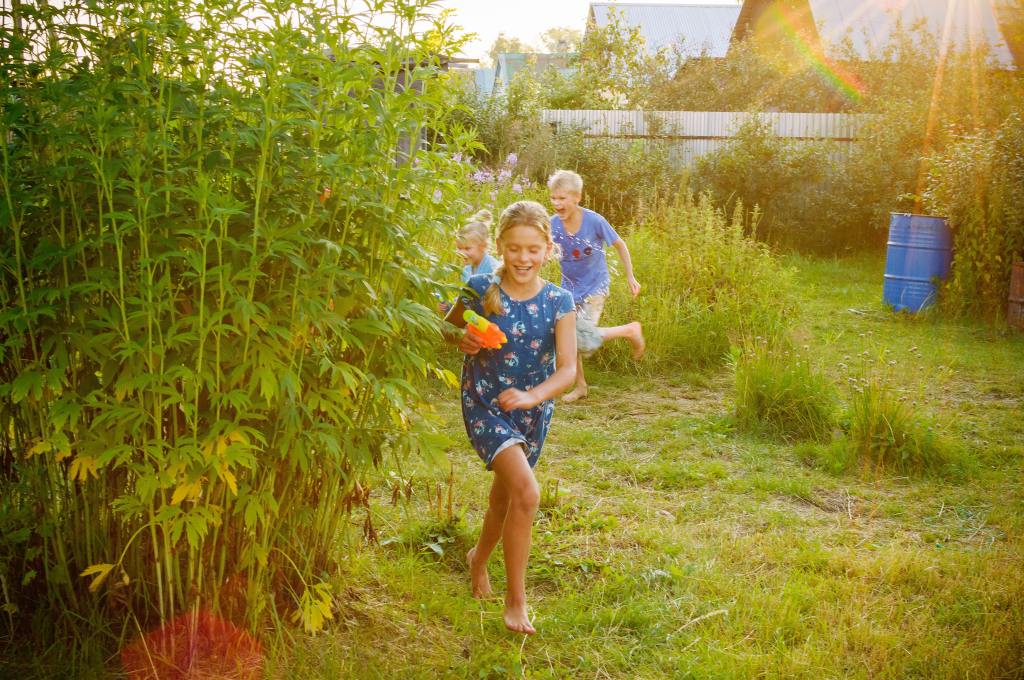
Kind of like watching kids play.
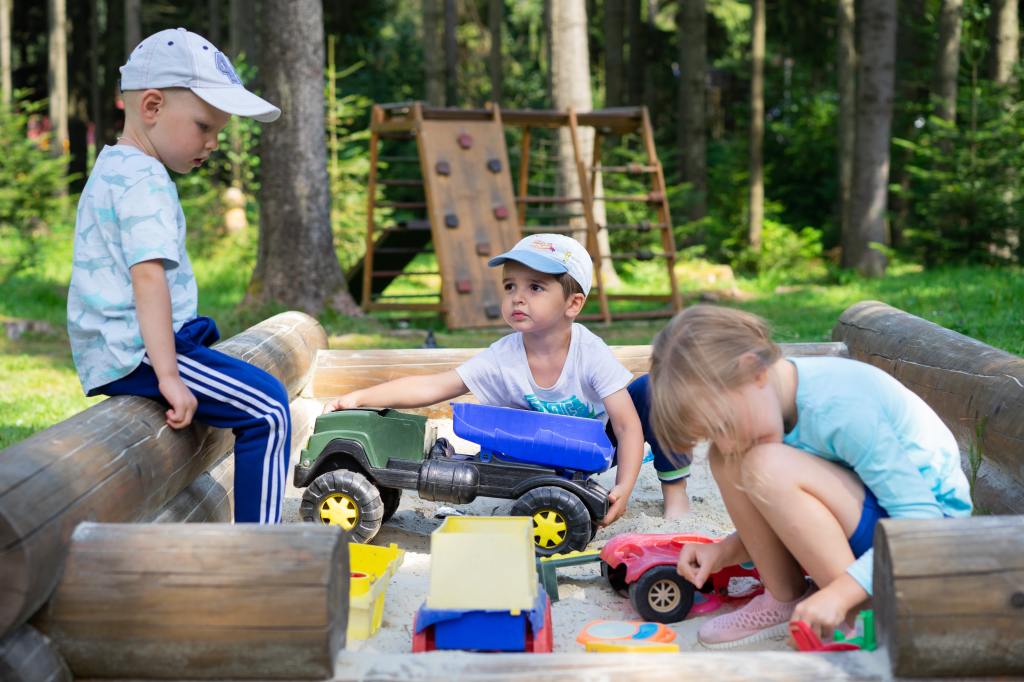
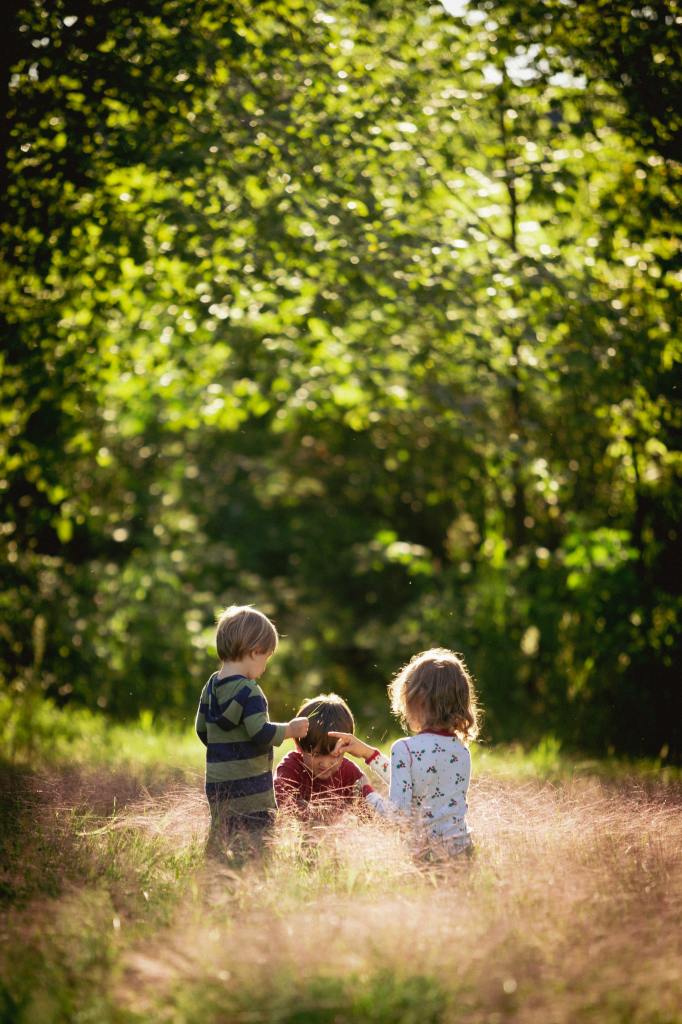
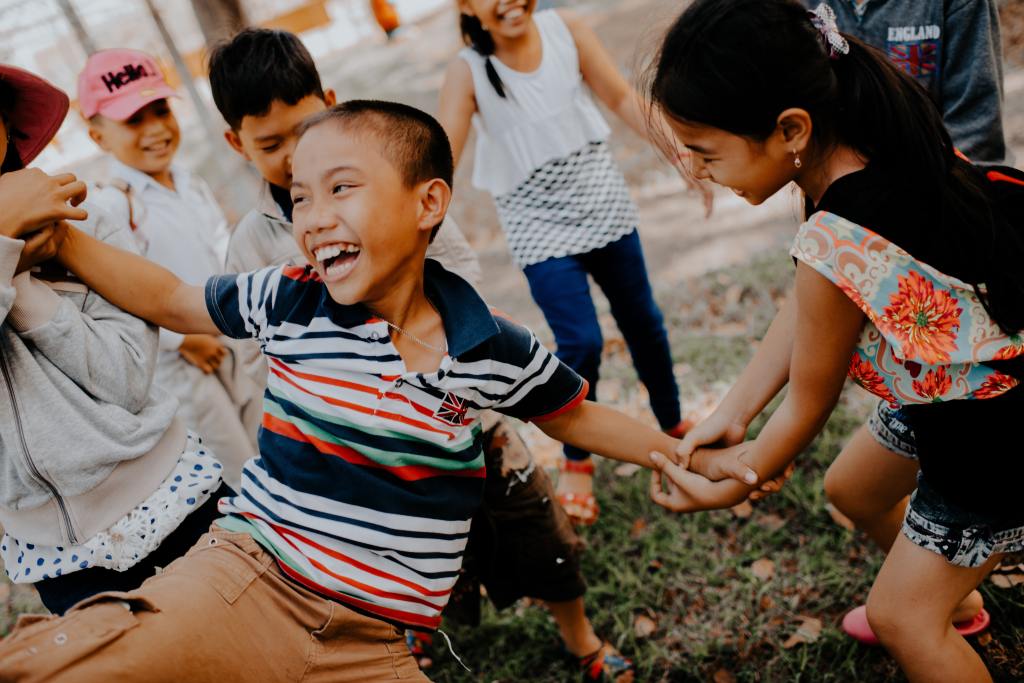
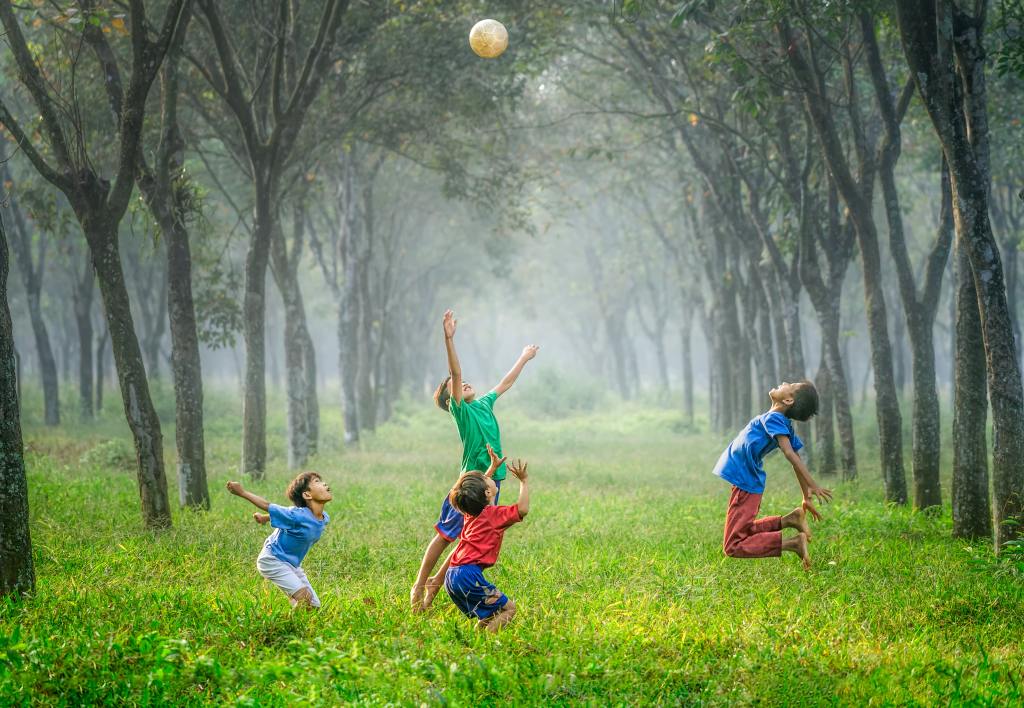
There are different ways of knowing. I’ll save the cognitive science for another day but know that the highest forms of knowing are embodied. They become part of who you are—even if you can’t describe it. Like going from tricycles to two-wheelers. Save the directions, pulled hamstrings, and cramps as you guide the process, the best you can say is, “They get it when they get it.” Saying, “Balance yourself,” does nothing to help them learn. They probably don’t even hear you.
The embodied skill is something you can feel and experience but still the process escapes a full explanation. Like most processes. Like love. Love may be a noun and a verb, but the deepest well is beyond words.
Like play.
Watching little ones play is like watching a virtuoso performance. There is so much going on that in our delight we mistake the fluidity and ease with easy—even frivolous…. Mostly because we’ve forgotten, as adults, how to play.
Play is fun and hard work:
Keeping track of a theme over time; learning the rules as you go; things work and don’t work so you manage the frustration, work through feelings, and problem solve; creating something from something different; grasping physically and mentally; planning over time; trying on and imitating important social roles; executing over time and monitoring as you go; increasing complexity and creating more rules to keep track of, and doing all this in a give and take with another or others.
Frivolous? Hmm. Sounds like a foundation for life.
Or at least a better process than worksheets…or tablets.
photo credits: Alexandr Povalny, Mi Pham, Laura Ohlman, Robert Collins, Scott Webb, Vitolda Klein (unsplash.com)


